After 4 weeks of classes, you spend 3 weeks working remotely on actual client files from a real Canadian accounting firm. A Canadian tax expert reviews 100% of your work and sends back corrections and written feedback, file by file. You leave with skill you can prove — and an experience letter that says so.
A supervised training program — not employment, not a job placement.
10 seats per batch. Our counselor (Urdu/English) will call you back.
This is structured like the first three weeks of a real junior role — because that's what it's preparing you for. You get assigned work, you do it to a deadline, an expert reviews it, and you fix what you got wrong. That loop is the whole point.
You sign the NDA, get set up on the firm's systems, and start with your first assigned files. The expert checks your early work closely and flags the habits you need to fix before they become patterns.
You're handling a real junior's mix — T1 returns, bookkeeping cleanup, GST/HST filings, payroll entries. Deadlines get tighter. The feedback gets sharper.
Final files, final corrections, and a complete record of your work with the expert's sign-off. Your experience letter is issued after successful completion.
The task list is set by the firm, the same way a manager assigns work — not by you. That's deliberate. Learning to take an assignment, do it right, and accept corrections is half the skill.
Not practice sets. Not made-up case studies. You work on the same kinds of files a junior handles at a Canadian firm — prepared under the same professional standards.
You'll make mistakes. That's expected — and that's exactly why this exists. Better to have a Canadian expert correct your GIFI coding now than a future employer discovering it later.
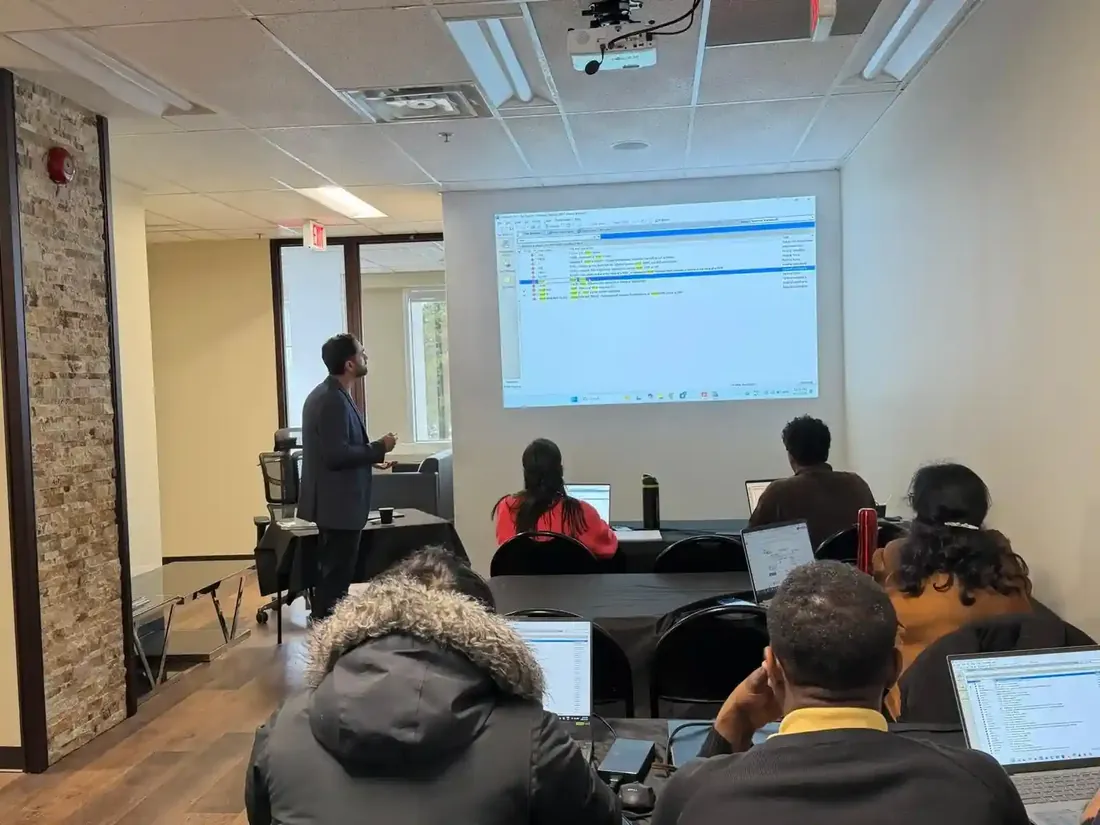
Preparing Canadian T1 personal tax returns from client slips and documents
T2 corporate working papers — year-end entries, GIFI coding, CCA schedules
Month-end bookkeeping cleanup in QuickBooks
GST/HST return preparation with input tax credit reviews
Payroll entries, T4 preparation, and remittance checks
Here's what makes this different from every "practical training" that just hands you a dataset: someone senior actually reads your work.
You submit each completed file by its deadline
A Canadian tax expert at FilingTaxes.ca reviews it — 100%, not a sample
You get the file back with corrections marked and written feedback explaining what was wrong and why
You fix it and resubmit — the way a junior does with a manager
This is how firms actually train people. The difference is that here, the corrections happen before your name is on a real client's return — which is exactly where you want them to happen.


The co-op runs under professional standards — because the work is real, the files are real, and the clients whose data you're touching deserve that.
You sign a non-disclosure agreement before touching any file. Client confidentiality is non-negotiable.
Assignments have due dates. Missing them is treated the way a firm treats it — as a problem.
You communicate like a professional, because you're training to be one.
We don't say this to intimidate you. We say it because "I worked under NDA, to deadlines, with expert review" is a sentence that means something on a resume.
Four things, all of them earned by doing the work.

A real Canadian accounting firm, confirming your 3 weeks of supervised co-op work. This is the resume line: "worked with a Canadian firm."
Every file you prepared, with expert corrections. Proof of how far you came, and a reference for how the work should be done.
Assign, prepare, submit, correct, revise. The working rhythm of a real tax practice, learned by doing it.
From Accountant Skill and Get Trained Get Hired (Canada), completing the 7-week program.
What we don't give you: a job offer, a placement promise, or a visa. No course can promise those, and we won't pretend this one does. What we give you is the strongest honest foundation a resume can have — real supervised work, verifiable by a real firm.
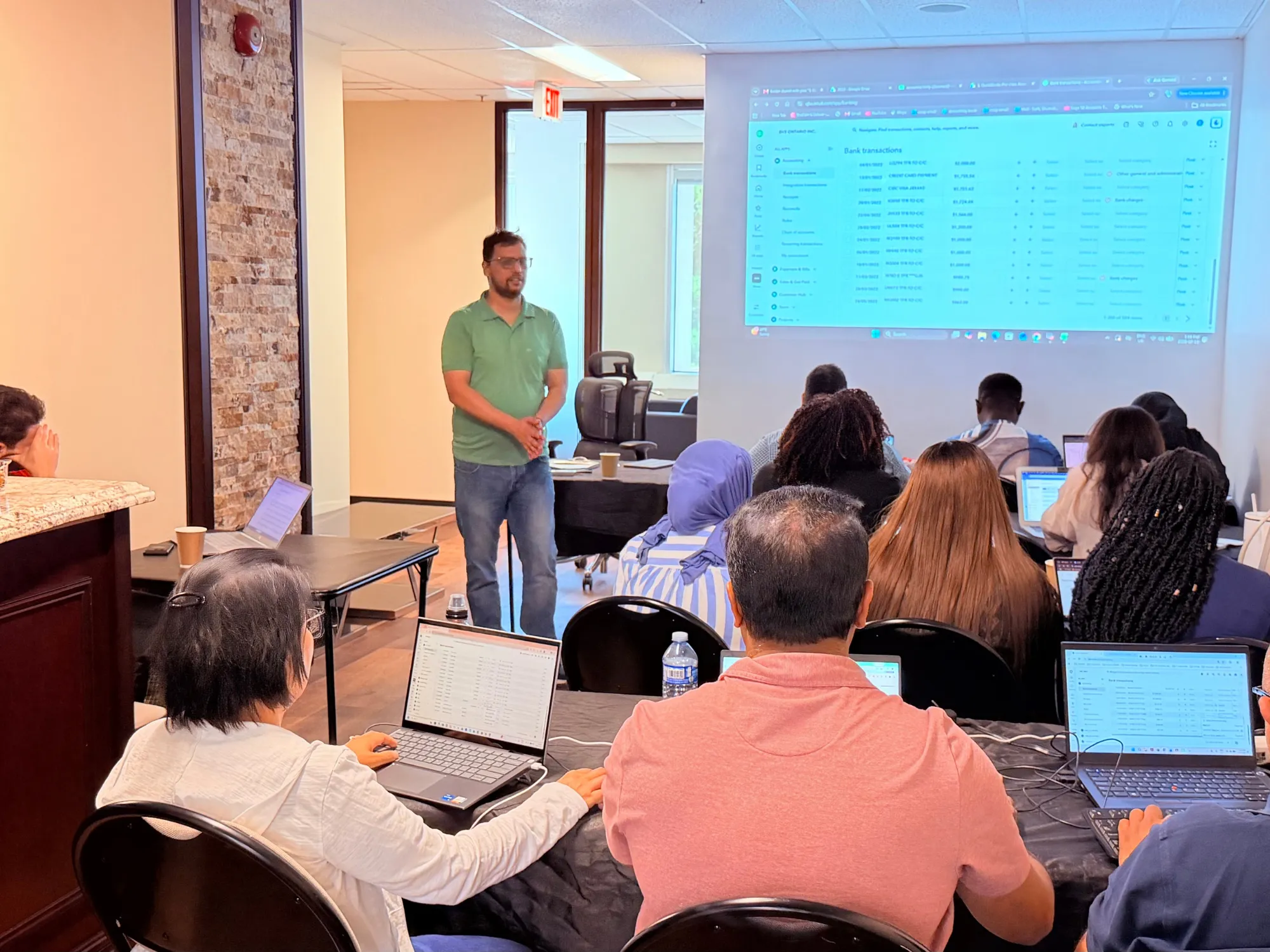
The co-op is the second half of the 7-week program — it follows the 4 weeks of live classes. It assumes you learned the material, because the files assume it too.
If you're not ready after the classes, we'll tell you honestly — and work with you on closing the gap. Putting an unprepared student on client files helps no one, least of all the student.
Can't find your question? Our counselor answers in Urdu or English.
The co-op is the part of this program no other course in Pakistan offers — three weeks of supervised work on real Canadian client files, reviewed by a Canadian expert, ending with an experience letter from a real firm. Apply now, and our counselor will walk you through the fee, the schedule, and every question you have.
Our counselor (Urdu/English) will call you back.